What We Carry, What We Keep
In the South, love isn’t new. It’s just learning to bloom out loud.
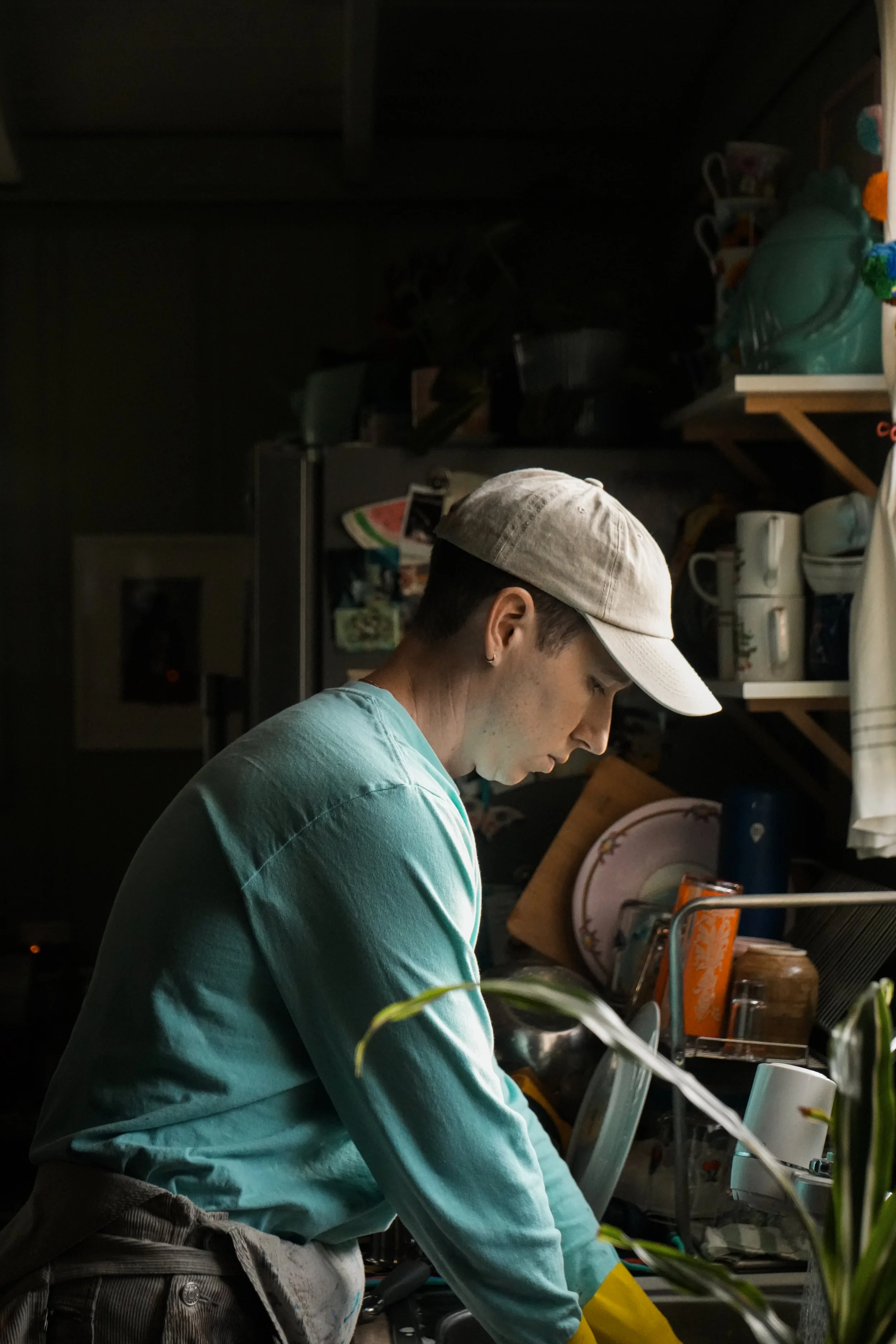
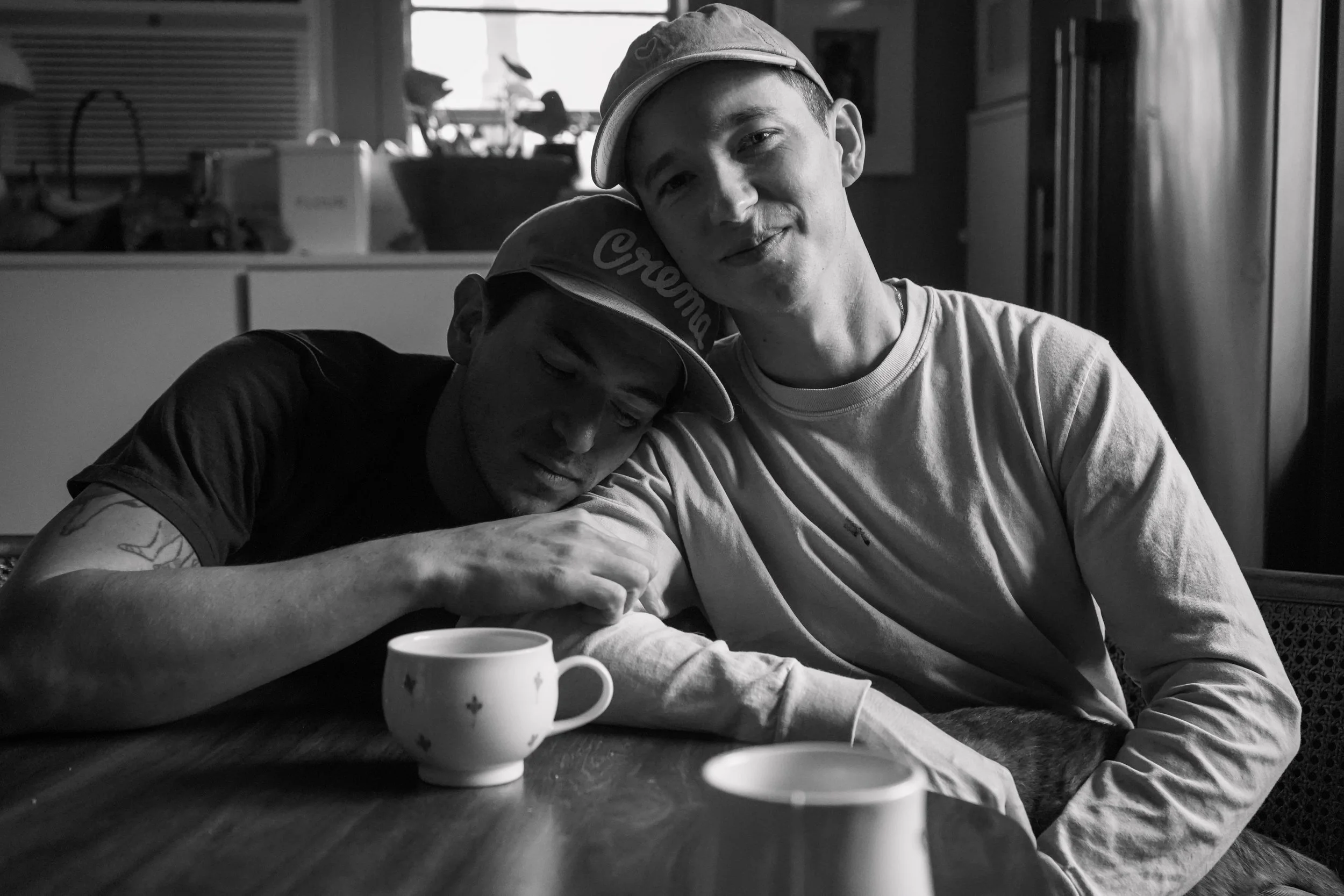
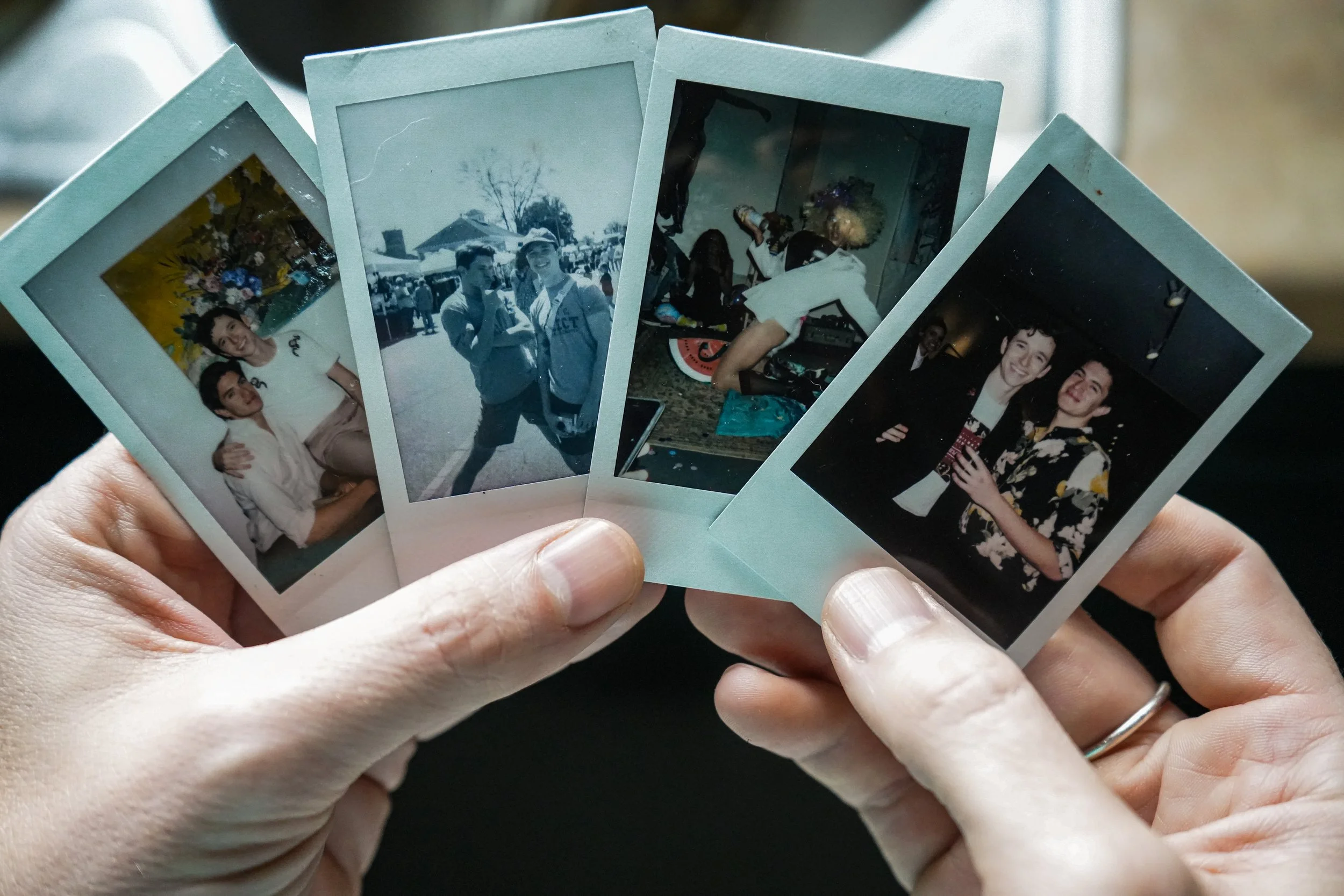
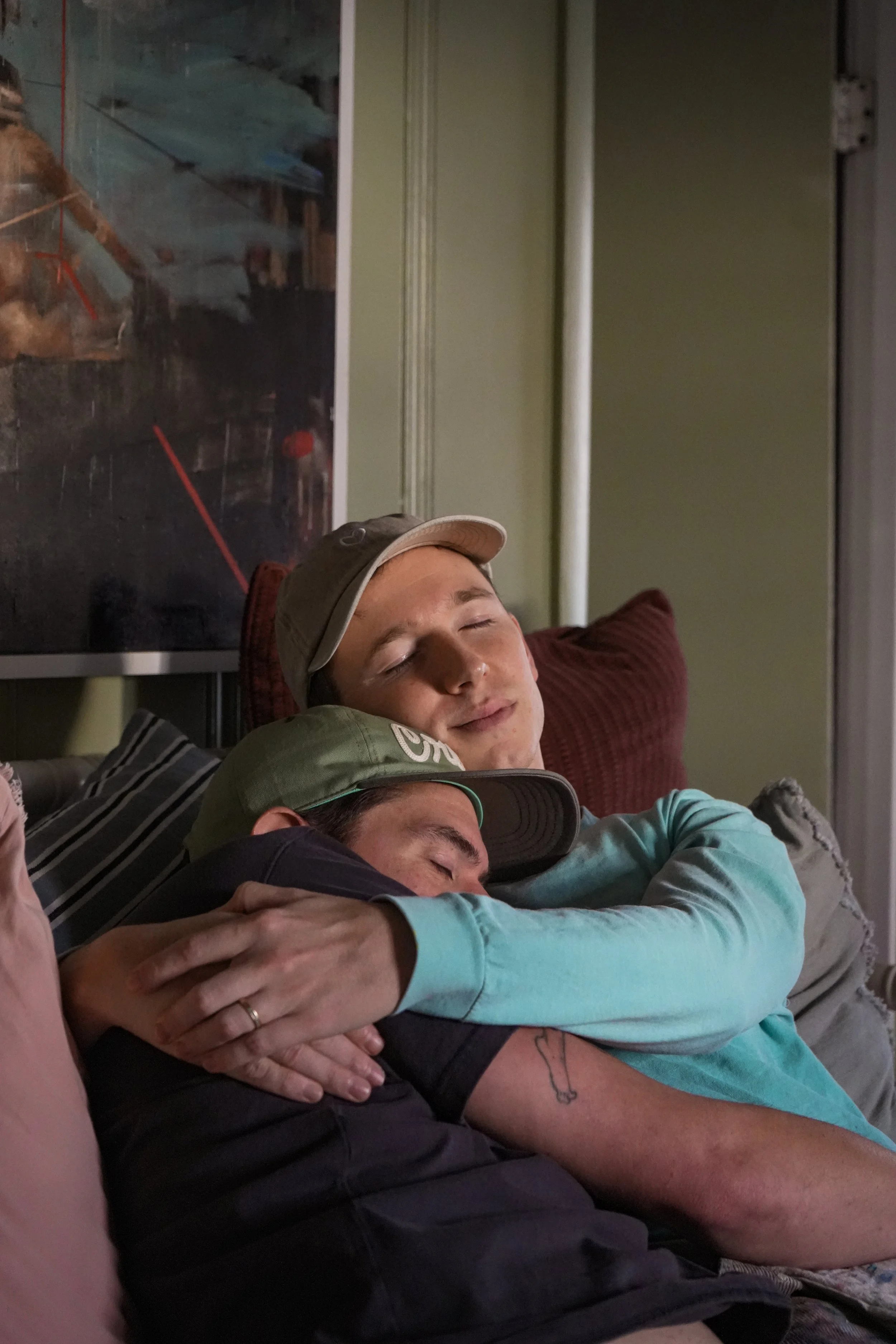
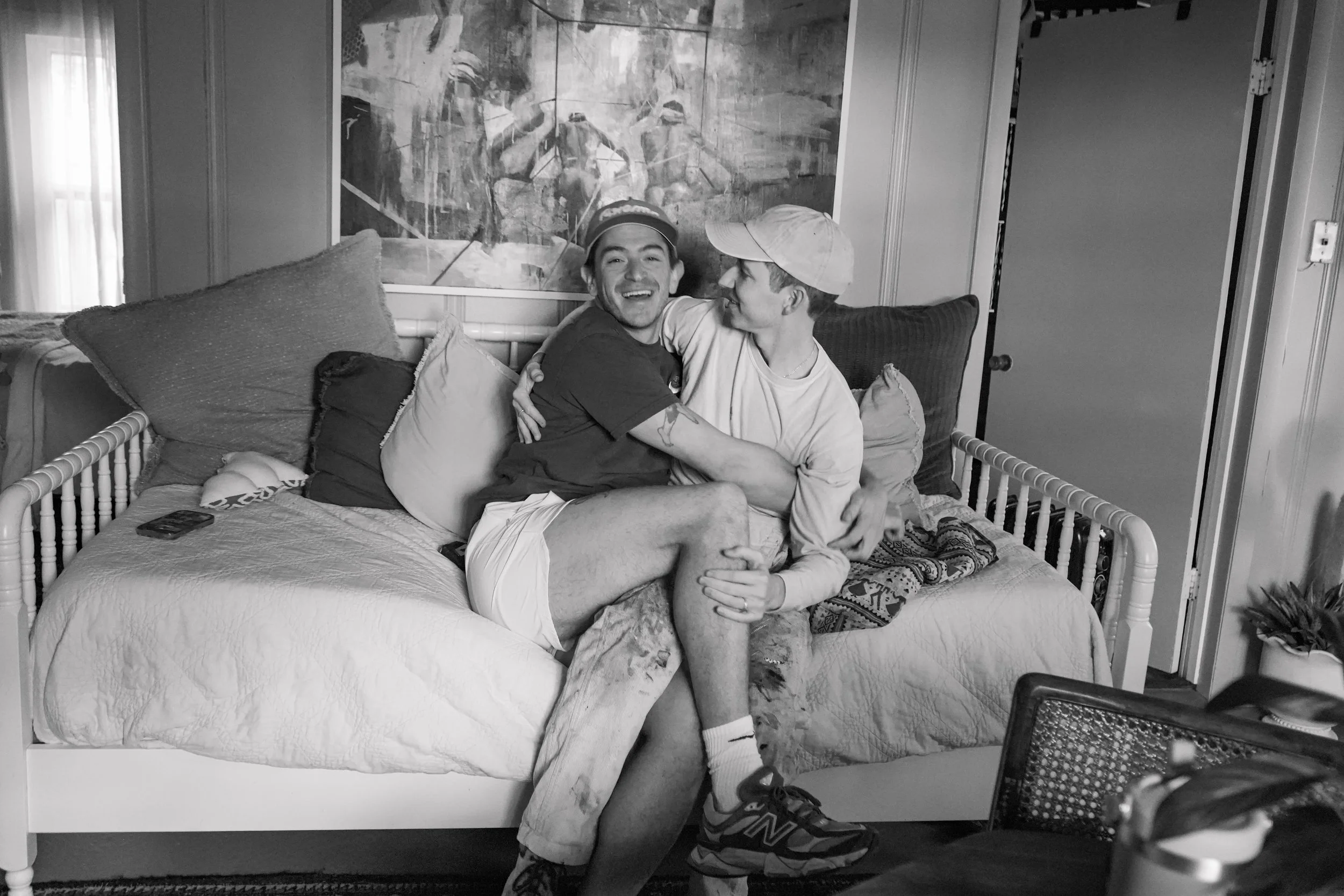
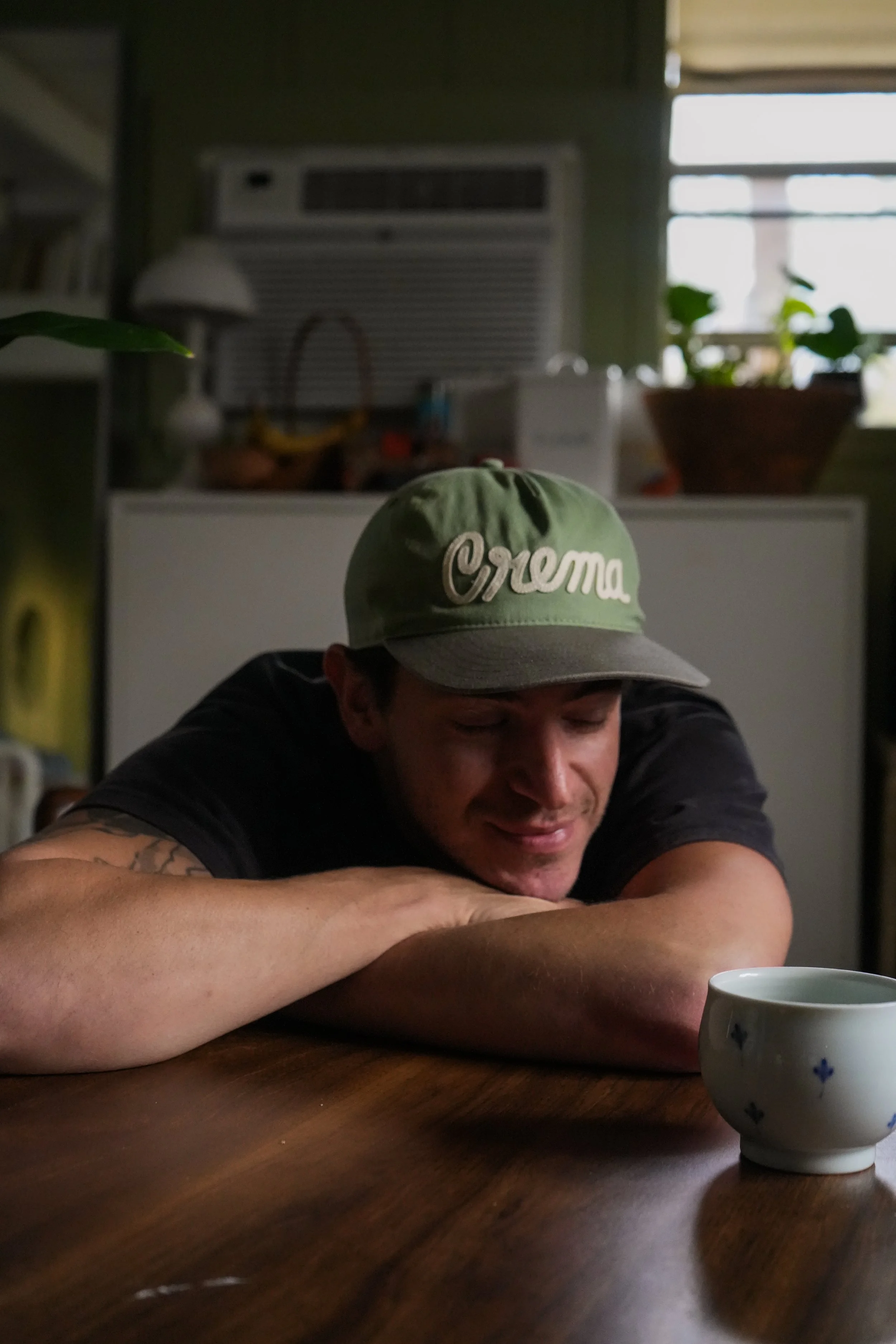
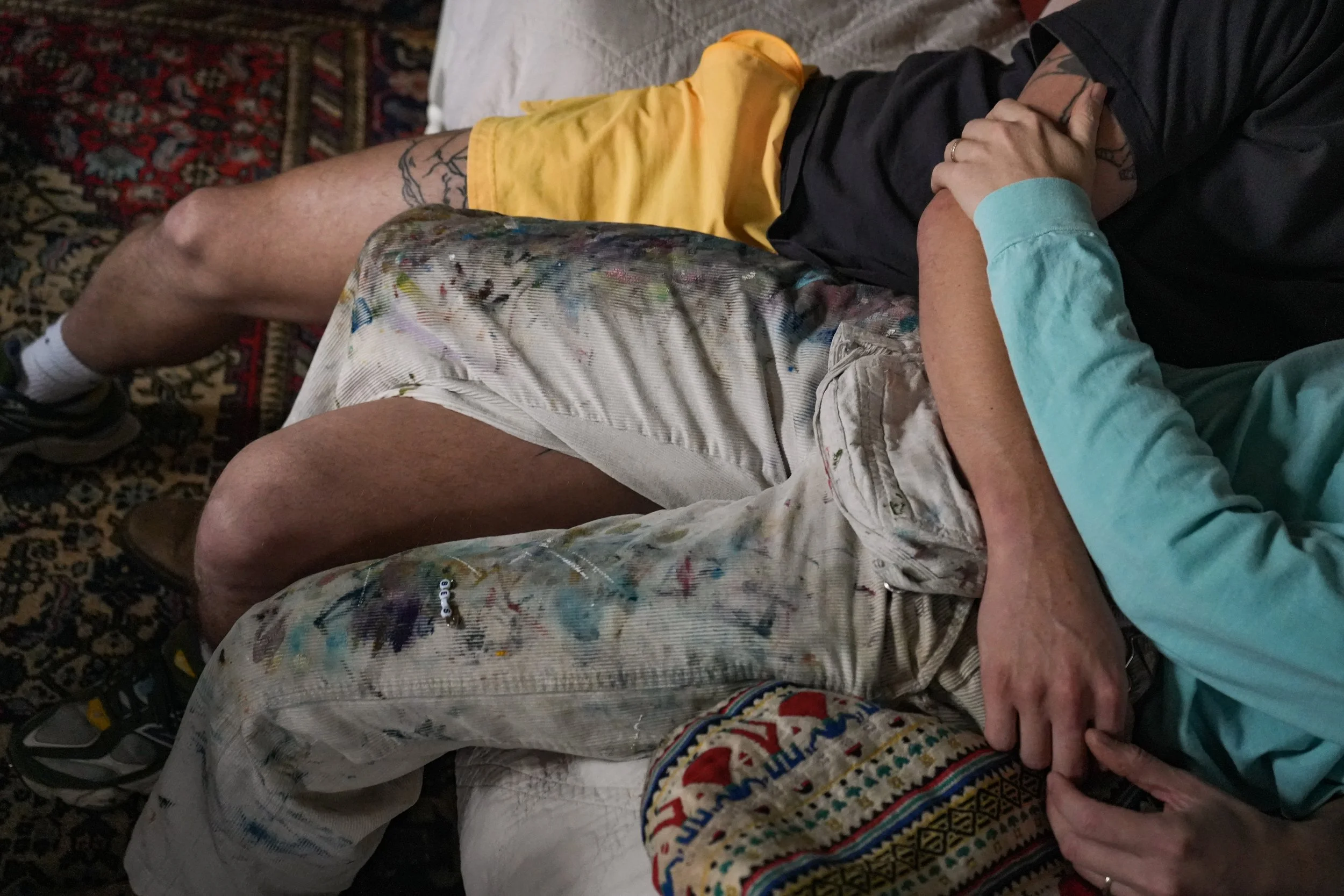
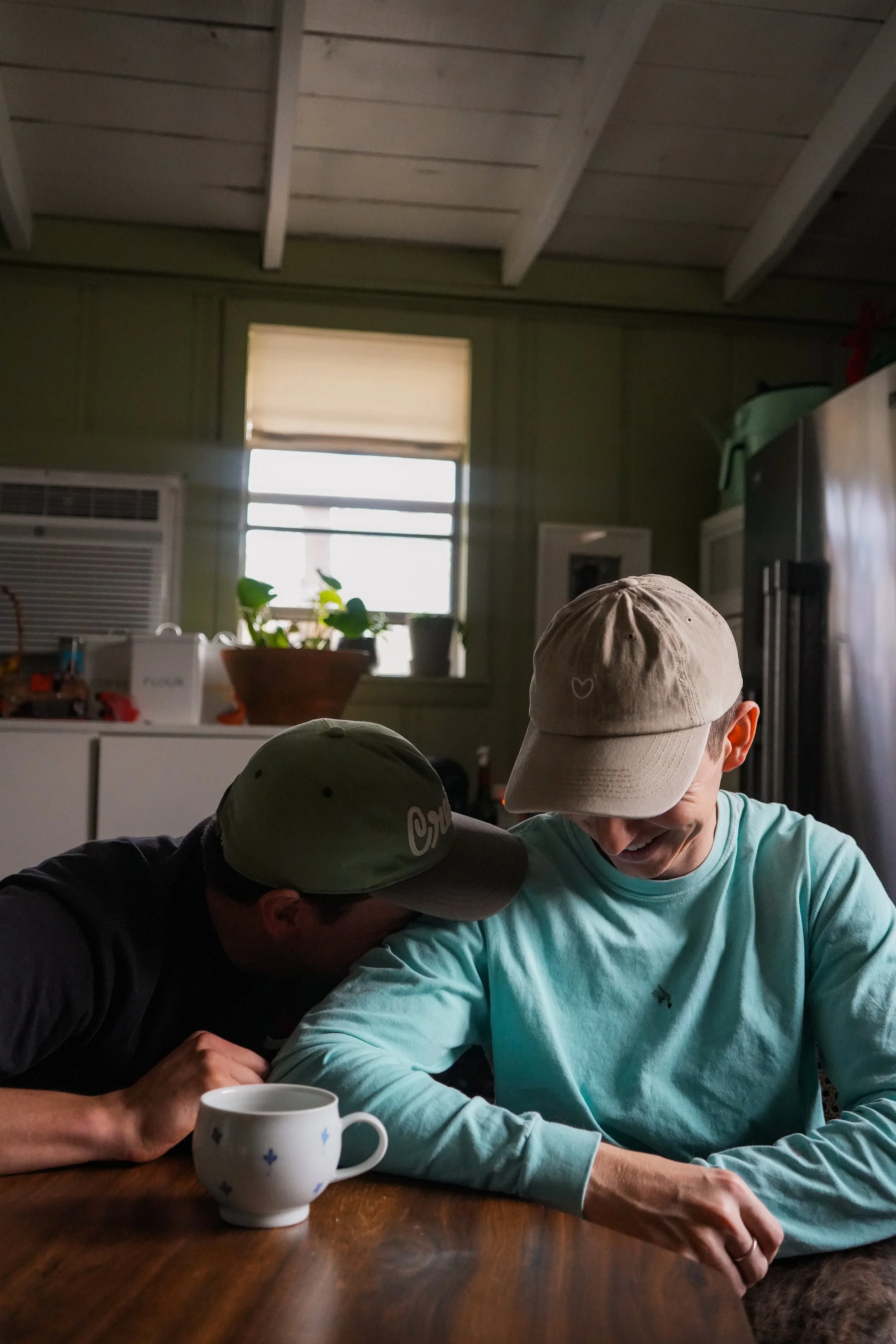
What We Carry, What We Keep is a photo/audio exploration of two lovers whose relationship sits at the heart of Oxford, Mississippi’s queer nightlife. Through time spent in their home, we discuss how they’ve sustained joy, built community, and nurtured a space that began in 2013 as the small seed of a party and has grown into Code Pink, a vital queer gathering in a conservative landscape.
This project looks at love as an act of change: how these partners chose to stay, to hold space, and to see possibilities where others saw limits. Their stories reveal what it means to carve out room for oneself when none is offered, and how joy becomes not just a feeling, but a practice of resistance. Through intimate portraits and quiet moments between them, I aim to show that queer love is not only personal, but architectural. It shapes communities, shifts cultures, and keeps the lights on for the next generation who need a place to belong. What We Carry, What We Keep is a love letter to queer Southerners who keep choosing tenderness in a world that once told them to hide
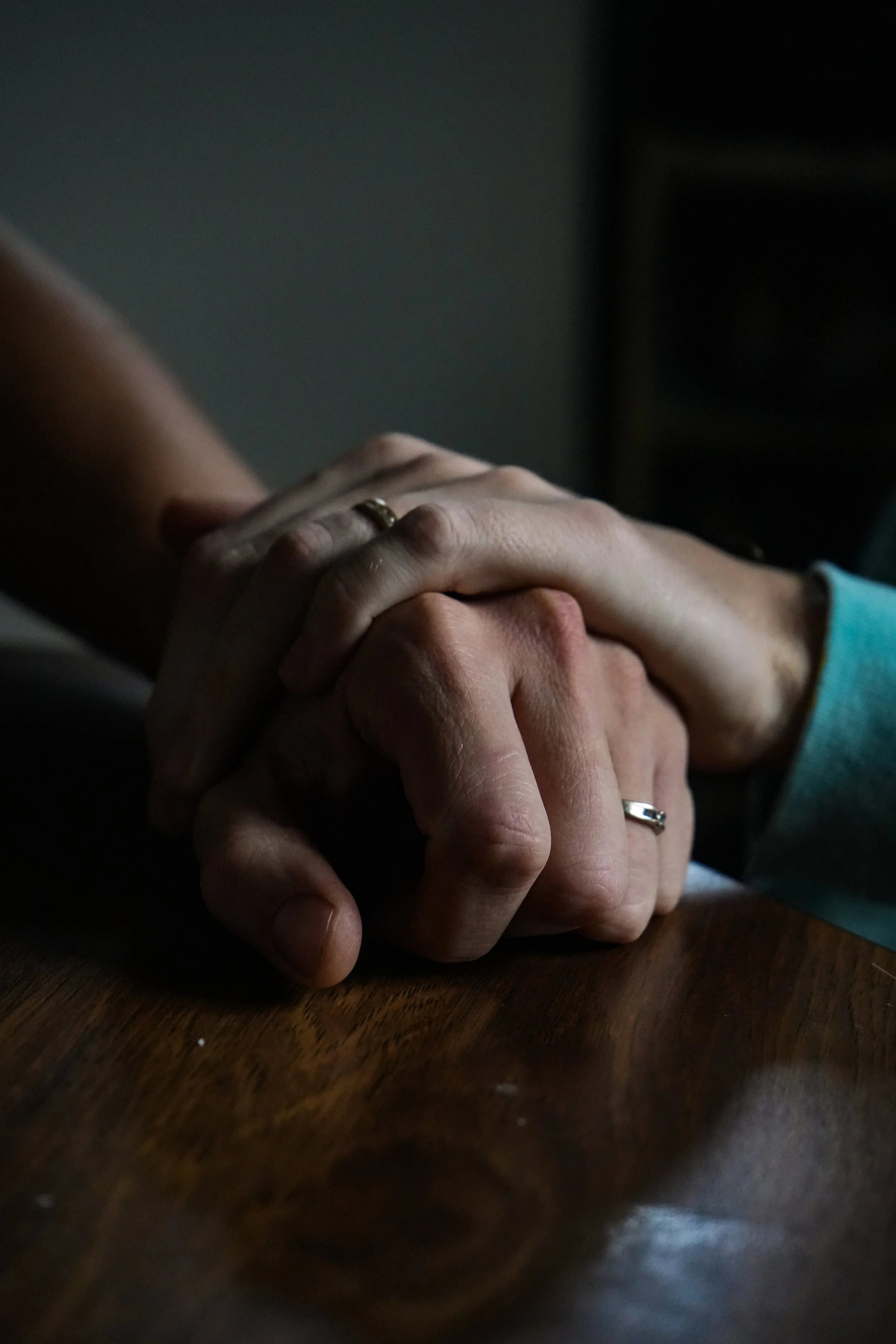
Audio Transcription:
00;00;00;16 - 00;00;02;03
I'm Jonathan Adams.
I live in Water Valley, Mississippi.
I'm a painter originally from Yazoo,
Mississippi.
It's like two hours away.
00;00;09;17 - 00;00;10;18
I'm Blake Summers.
I also live in Water Valley and,
yeah, I'm a barista dancer.
We run Code Pink together,
which is a Queer nightclub
that's transient,
and we just take over spaces.
I'm from the worst part of California,
the Central Valley.
Ow ow! Shout out.
Not quite Fresno, but
I went to high school in Hernando, and I'm
a proud Mississippian at this point.
00;00;34;01 - 00;00;36;08
We met at a dinner party.
Blake's roommate knew me, and Blake
had recently broken up with his boyfriend
and he thought, I guess he thought we were
both kind of be a good fit, I guess.
So he set us up at a dinner party.
00;00;52;18 - 00;00;53;00
I was
dancing in college
and just wearing kimonos and drinking tea,
and you said, I don't like this art kid,
and he's perfect for you.
So we set up a dinner table or dinner
party, basically.
00;01;04;07 - 00;01;07;07
How has the South shaped the way you love?
I feel like context
doesn't really quite matter.
I think the backdrop does shift between
wherever you are geographically.
There's race differences.
There's, you know, like where I'm from,
California is highly Hispanic.
Here, it's highly black.
But I mean, you always feel tension
between different groups of people
and you learn different cultures.
And there's like a different mixture,
I think, between what is around,
even though I think there's like a full
tension in Mississippi
just from black culture
mixing with white culture,
that relationships always existed.
But I think
there is beauty
and tension no matter where you are.
So I mean, it's been really nice growing
up in Mississippi and loving Mississippi,
but also, I've had a hard time
living in Mississippi, where
as a queer person,
I feel othered sometimes
and I feel unaccepted,
and I've had to live more quietly.
But maybe that's everywhere,
because, I mean, it's kind of hard
as the human experience.
You don't really know what that experience
is somewhere else. So it's hard to really claim
how different it is anywhere else.
00;02;17;19 - 00;02;20;19
I guess for me, for me, uh,
The land scape of Mississippi
and the trees kind of,
I guess, sustain my love a bit.
Because to me, it's a way that I find
God is through nature and
I think
Mississippi is really beautiful.
The land, like
the land, has a complicated history here,
which is also heavy and I don't know,
I feel like
God is in that space, of.
I don't know, maybe healing me,
trying to heal Mississippi,
like, in different ways,
but I guess that affects
my love is the actual
landscape of Mississippi.
00;03;12;18 - 00;03;15;02
Yeah. You mentioned Code Pink.
How did you guys come to take over it,
and how have you seen it grow since?
What was it, 2013?
00;03;21;23 - 00;03;22;15
I don't even know.
00;03;22;15 - 00;03;24;17
You know, I was like 13 or 14.
I think.
00;03;27;10 - 00;03;28;15
Matt Kessler started it.
He was a graduate student at Ole Miss and,
they wanted like a pride
basically in Oxford.
So he started pride and then
it was kind of like a DJ,
mostly DJ night
At first.
And then when Matt graduated,
we kind of stepped in.
And you can
maybe talk about how it's grown and what.
The school just had to kind of move away
from a nightlife scene
just because of the dangers
of alcohol and,
uncomfortable situations.
So the school cannot be affiliated
with that comfortably. So,
I kind of became the steward over of it
with Nathan,
and he helps a lot.
But it did change into something else.
So, I mean, it started with Code Pink,
but it's not what it once was.
It. It's
kind of our take on what they started.
So I also feel like it has shifted to
like kind of in the middle period.
I feel like it was
like at the start of like
the Trump coming into politics, the
shows, I
guess drag performances
and performance art
were more political when we were doing
a, you know, more at Proud Larrys
And not only that is,
I feel culturally drag as an art
form has become more popular.
When I was doing drag, it was not popular.
And I look like a merman.
I look like a caveman with a wig
and it was ugly.
But it was very punk. It was very.
I was mad about
marriage equality.
Mississippi.
I was mad about a lot of different things.
So you'd see that
reflected in performance art.
But now that drag has become popular,
just has become more of a
performance. Yeah.
Instead of a statement.
I mean, sometimes you do see some people
doing it, but it's not like it used to be, because I feel
like there's so many people
wanting to do drag now, and it's hard
kind of running it
and kind of being the gatekeeper
of who gets to perform and not performing
when there are so many people
that love it as an art form.
Now, because of television.
So it's a difficult part,
you know, trying to serve the community
and then also.
Being a project manager of a show
and having a good show.
Right.
00;05;52;03 - 00;05;55;29
What has carving out the Space of Code
Pink and just a queer space in Oxford?
What has that meant for you guys,
and what do you think
it has meant to the community overall?
00;06;03;03 - 00;06;05;02
I mean, generally
I just want to give them the space
I feel like I never had in college,
but also I feel like
it's becoming a little outdated,
which is both good and bad.
I feel like they feel more comfortable
going out to spaces, like straight spaces.
Now, when we didn't
really have that in school,
I wouldn't be caught dead on the square.
I just didn’t feel comfortable.
I just didn't feel safe doing it
when we were in school,
and I feel like that has shifted.
I mean, you see, like guys wearing makeup
going to the library now, and they're very comfortable
and I'm very proud of that.
I'm happy
that the world is changing in that way.
But, I mean, not everyone is highly queer
and recognized as a queer person,
so they can't really just move in
between those spaces like some gay people.
But I basically just want to create spaces
that I wish I would have had.
In a city experience.
00;06;52;19 - 00;06;52;25
Yeah.
And I still feel like even though
some people are brave enough to experience
like, you know, you're saying
people go to the library in make up,
I do know that's true,
but I do think there also still people
who are really uncomfortable
going into those spaces still.
And I think it's important
that the the events happen
during the school year
because some, some kids might be raised
in really conservative families
and then even just come in here
like just having a space
where they can see drag queens
and other queer people
just being together and.
Show queer affection.
I feel like even though if they go out to straight bars,
they won't always show queer affection.
They can kiss, they can dance together.
They can eat, frolic and queen out
or not having to worry about being butch
if they're butch, you know?
I mean, it creates an environment
where for the first time they may not feel othered,
but they are just a part of something.
Because I feel like
when we talk about context in Mississippi,
you often don't feel like everyone else.
00;07;59;29 - 00;08;01;06
Are there any changes that
you guys are wanting to see right
now, specifically in Mississippi?
00;08;05;28 - 00;08;07;29
What?
Well, I mean, for me, like,
I've always moved really quietly,
kind of with my queerness.
I mean, other people
that know me would probably disagree.
But, I mean, I feel like even
our events could be punchier.
I feel like I always take into account
what I think Mississippi can handle,
which I think is not really fair.
Like, I feel like in cities
they don't take into account
everyone else that lives around them
for their events.
For me, I have to worry about safety.
For me, I have to worry about threats.
I worry about protecting the kids.
I'm by kids, I mean the college students.
But they’re kids to me now
But it’s
something I do have to worry about
because I feel like here things are
aggressive and hostile sometimes
when they don't necessarily need to be.
But I feel like just an administration
and contextually in our government
and politics right
now, it's not always the safest.
Yeah, I feel like politically,
Mississippi could change,
just with the way
like voters have been disenfranchized.
And I feel like if marriage
equality ever was overturned,
which the Supreme Court is refusing
to rehear that case. But
like Mississippi's,
our Supreme Court
ruled against marriage equality.
Like, you know, they put that out
when marriage equality happened.
Just so I feel like there are lots of
backwards things like that.
And I don't know, I wish that
like I'm a Christian,
but I wish Christianity wasn't like this,
like huge thing
in Mississippi where everyone felt
othered, who was not part of that.
And I feel like most of the Christians
who are here are conservative.
So there's like that
layer of people not feeling welcome.
I feel like they've really established
themselves as being the mainstream,
and there's nothing else out there
besides Christianity.
And I feel like when you live
in their environment that they've claimed
it doesn't leave enough space
for everyone else.
I don't hate Christians.
I love fundamentally what they do
and what they produce
and give to each other
because I find it a very giving culture.
But it's really deeply rooted itself
as being the standard.
Yeah.
I mean, yeah.
Without giving vision to anything else,
it is claimed and protected and gilded and
safeguarded as,
I don't know, just being the focus of
everywhere.
00;10;58;16 - 00;11;02;06
So how do you find or sustain
your joy in a space
that is often in opposition
to your identity and to your love?
00;11;08;17 - 00;11;10;01
Well for me, I just keep my
head down and I love the way I love
and love the people that I love.
I mean, it's not complicated to be happy.
It's the most simple thing we can do
if we don't allow other factors.
For me,
I think that's the best part of growing up
is stopping
this thought of identity politics.
With myself,
I feel like I have really held myself back
forever because of what
other people have put upon me,
and I feel like I never had to wear that.
I never needed to worry.
I mean, if I couldn't get a job
because I was gay, then
I just wouldn’t get that job.
But if I still wanted that job,
there are places for me to have that job.
So, I mean, I've always held myself back
and I've always worried like,
could I not do this,
could I not do that? Would I not be accepted?
But I think it pushes a lot of people
and creatives into
to really good ways
of being isolated and feeling isolated.
I feel like that's what gives people
bigger dreams
and ideas
and different views on the world.
And I think with that, other people
can connect.
Maybe not in the same way,
maybe they're not gay,
but I mean, maybe they just don't feel
as connected as everyone else.
Yeah, I feel like Mississippi does that, feel
like I mean, that’s why the blues came
from here is just like that.
The tension of having to
create something
from within you that sustains yourself.
I mean, that's why I make my art. It.
You just have to drop, I guess,
all of the expectations of of everybody.
And I mean,
you could leave,
like you said, you know,
like to get another job somewhere else.
Where? But.
I don't know, I always think about, like,
not everybody can leave.
And there are times I do want to pack up
and go somewhere else.
But I do like being in Mississippi
to do the things like Code Pink
and to make my art,
because it does make a difference.
I do know.
That the events make a difference
for people who are here.
And that could happen without us.
I mean, we could leave
and they would still go on, but.
Yeah, that, I guess, I don't know,
I'm trying to think.
My art and being here, I guess those are
things that are intertwined and.
I think the good thing
about kind of the pressures of
pain is kind
of the empathy that you can kind of learn,
and the gifts you can bestow upon people
that don't know love like you felt love
or learn to love yourself.
And I think that's probably
the biggest gift of suffering is
it teaches you more about humanity
and how you don't want someone
to suffer like that.
You don't want people to feel alone or
you don't need to see humans in pain.
00;14;18;17 - 00;14;22;23
So for my final question, what advice
would you have for someone who wants
to be part of change in Mississippi
in similar ways that you guys
have been?
00;14;29;18 - 00;14;30;16
Be thoughtful.
Be kind.
Fuck it up. To be honest.
I mean, just do what you need to do,
but be mindful.
Hostility is not always the answer.
But I do understand radical things. Do
take change.
And it's a hard thing to understand
is there's no right way to protest
because things don't always move
as fast as they need.
But things are changing.
I mean, I do see it culturally.
Things are changing.
Race relations are getting better.
Homophobia.
It's becoming more of a bland discussion.
I mean,
people are starting to accept people
even if they don't know it
just because they're seeing it.
So they meet gay people at coffee shops.
They I mean, people aren't scared anymore.
So you don't have a choice but to know one
to actually know a gay person
that's claiming it or,
you know, even like there were
no black people working on the square
when I was like in college.
Now there are black people
that just go square to have fun, you know?
So, I mean, like, is it
the world is changing, you know?
And I know
people are frustrated. It's not fast,
but you can't deny that
it's not getting better.
And I guess I would say I don't like yes
I do think it's getting better,
but I know that like recently
there was like because of the,
propaganda and everything
that's been out there, like homophobia
is actually increasing
when it was like on the decline.
So I think it's important for
people,
to just stay in communities
where they do feel the tension of
maybe more incidents happening.
If we stay here and we are present
then like Blake is saying, it,
people are interacting with you
on a daily basis
and it does normalize
like your existence to them.
And I feel like that's
the only way that things get better
is just,
by being confident in yourself. And
on the point of the other question,
you have to find that within yourself
whether that's God,
whether that is your community.
You have to find some way to pull strength
when you feel your identity is threatened
by other people, to just stand firm
and know that
you don't need that validation,
like at the end of your life.
Like you don't need a group of people
to validate your existence.
Like you get to decide
like what your worth is.
Even if from the outside pressure,
like people tell you
the opposite of what's true.
00;17;17;11 - 00;17;18;03
All right.
Thank you guys.
End Transcript
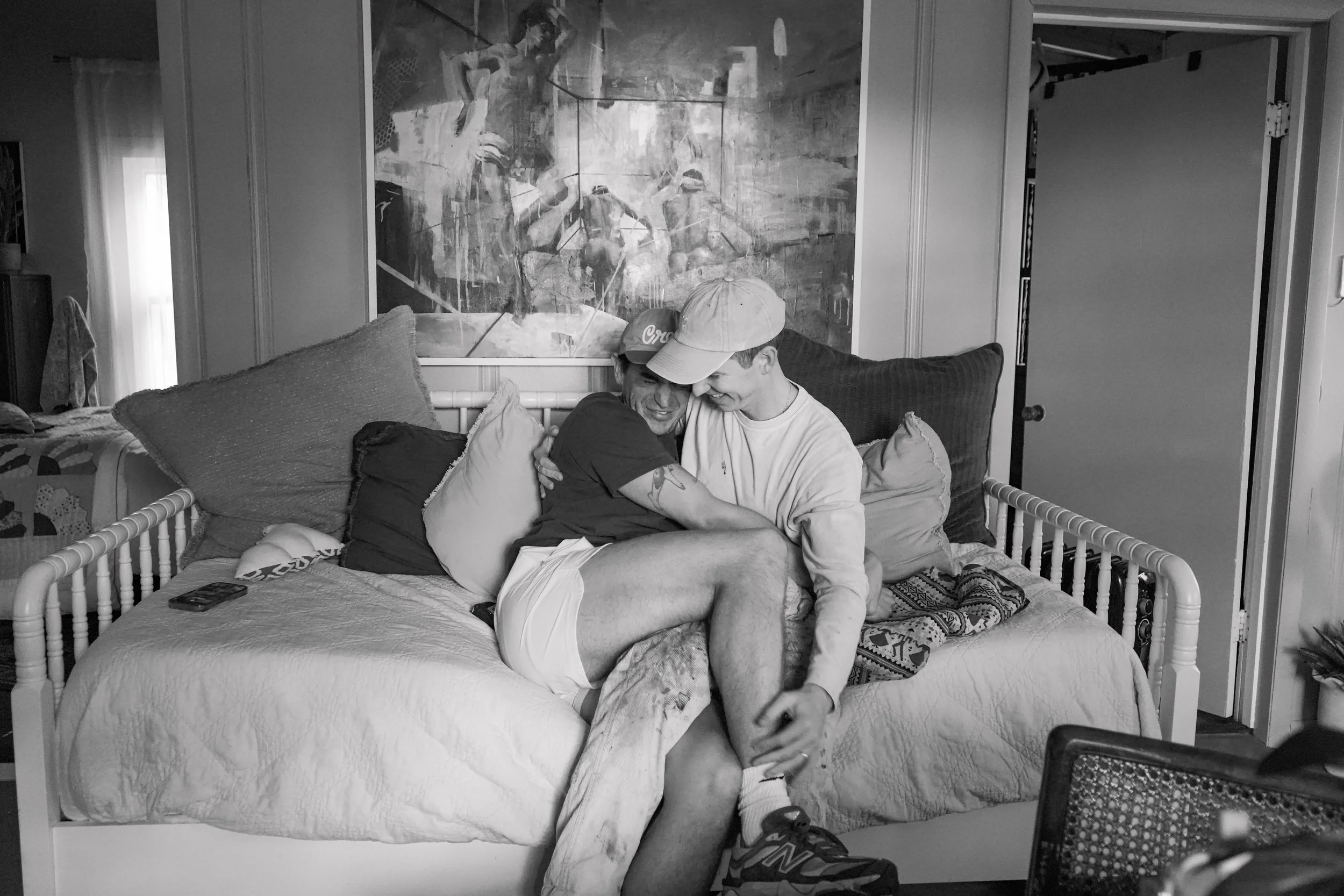
Blake (left) and Jonathan (right) in their home.
What We Carry, What We Keep, 2026